
What exactly is digital transformation? We’ll clear up the confusion between digitisation, digitalisation, and transformation, and show why leadership and culture are just as important as technology.
What Exactly Is Digital Transformation?
Digital transformation is often misunderstood as simply adopting new technologies. In reality, it is about reshaping business processes, operations, and culture with technology to become more competitive, productive, and future-ready.
It’s not just about digitising what already exists — for example, replacing a paper invoice with a PDF. Instead, it’s about using technology to reimagine how things are done entirely.
Think of it this way: digitising an old process might help you move faster, but transformation allows you to do things that were never possible before. It’s the difference between using spreadsheets to track sales and using AI-driven analytics to predict customer needs and personalise their journey.
Is It Only About Technology?
The quick answer is no. While cloud computing, IoT, big data, and AI are often called the building blocks of transformation, technology is only one side of the equation.
Digital transformation is also about people and culture. It forces organisations to rethink what customer-centricity means, how leadership drives innovation, and how employees adapt to change.
Successful transformations share a few cultural traits:
- They question the status quo and avoid clinging to “how things have always been done.”
- They encourage innovation, rewarding creativity and problem-solving.
- They embrace change and even failure as part of growth, rather than resisting it.
In short, digital transformation is a strategic, technological, and cultural evolution — and without the human side, even the most advanced tools will fail to deliver results.
The Leadership Dimension of Digital Transformation
One of the biggest myths around digital transformation is that it is driven by IT departments alone. In reality, true transformation starts at the leadership level.
- A digital transformation strategy must link business goals with the right technologies.
- Change management ensures employees can adapt and thrive through the transition.
- Business model innovation helps organizations stay relevant when markets shift.
- Sustainability should be embedded into every transformation roadmap, aligning with global ESG goals.
Without leadership alignment, digital projects risk becoming siloed — seen as “tech upgrades” rather than enterprise-wide transformations. The companies that succeed are those whose leaders champion transformation as part of their business DNA.
The Digital Transformation Equation
At its heart, transformation is about resilience and reinvention. One way to think about it is through this simple formula:
Business Transformation = Digital Transformation
It changes how organisations see themselves:
- From “Why do we exist?” → “How do we stay relevant?”
- From managing change → leading transformation
- From legacy models → future-ready enterprises
- From survival → sustainable growth
This mindset shift is what separates companies that thrive from those that struggle.
The Big Mix-Up: Digitization vs. Digitalization vs. Digital Transformation
The terms digitization, digitalization, and digital transformation are often used interchangeably, but they represent very different stages of going digital.
- Digitization → Converting Physical into Digital
- Example: scanning paper documents into PDFs.
- Value: information becomes easier to store and retrieve.
- Digitalization → Using Digital to Improve Processes
- Example: uploading PDFs to the cloud for real-time sharing and collaboration.
- Value: more efficiency, collaboration, and data usage.
- Digital Transformation → Reimagining Business with Technology
- Example: streaming platforms replacing physical DVDs, or AI-driven workforce management.
- Value: a completely new way of creating value, not just an improvement of the old.
👉 Each stage creates value, but also introduces barriers to adoption — such as outdated systems, lack of skills, or cultural resistance. These challenges need structured frameworks to solve, which we’ll explore in the next blog.
Why Digital Transformation Matters
So why does all this matter? Because in today’s digital economy, transformation is no longer optional — it’s a matter of survival. Organizations that fail to adapt risk being left behind, while those that embrace transformation gain powerful advantages.
Here are six reasons why digital transformation is the engine of modern business strategy:
- Enhanced Customer Experience
Customers expect personalized, mobile-first, and frictionless experiences. Transformation makes it possible to deliver them. - Data-Driven Decision Making
Real-time analytics help leaders identify patterns, act faster, and invest smarter. - Stronger Collaboration
Digital platforms break down silos and foster cross-functional innovation. - Expanding Market Reach
With data insights, businesses can enter new markets faster and scale more effectively. - Operational Efficiency
Automation and cloud reduce friction in workflows, freeing teams for higher-value work. - Sustainability and Resilience
Digitally enabled operations are more adaptive, energy-efficient, and environmentally responsible.
Final Takeaway
Digital transformation isn’t about “going digital” for the sake of it. It’s about reimagining how your business creates value — with technology at the core, people at the center, and innovation as the driver.

How a Multi-Unit Tea Blender in Assam Eliminated Blend Traceability Gaps with PACE360 ERP
A leading tea blending company in Assam adopted PACE360 to unify procurement, blending, warehouse management, [...]
Jun

How a Packet Tea Manufacturer in West Bengal Scaled Distribution with PACE360 ERP
See how a leading yarn manufacturer moved beyond traditional procure-to-pay software to CVSS — Softweb’s [...]
Jun
The Future of Coal Supply Chain Management Through Automation & Innovation
See how a leading yarn manufacturer moved beyond traditional procure-to-pay software to CVSS — Softweb’s [...]
Jun
Beyond Procure-to-Pay: How a Leading Yarn Manufacturer Upgraded to CVSS and Cut Procurement Lead Time by 60%
See how a leading yarn manufacturer moved beyond traditional procure-to-pay software to CVSS — Softweb’s [...]
May
Beyond Fleet Tracking: Why Smart Iron Ore Mining Will Shape the Future of India’s Steel Industry
Discover how MiningPro by Softweb Technologies enables smarter, connected, and data-driven smart iron ore mining [...]
May
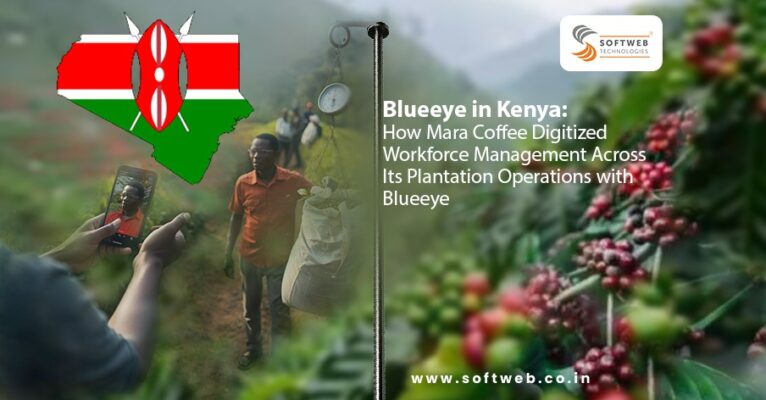
Blueeye in Kenya: Mara Coffee’s Digital Transformation Strategy for Multi-Farm Workforce Management
Mara Coffee, Kenya is transforming plantation workforce management through digital attendance tracking, productivity monitoring, payroll [...]
May
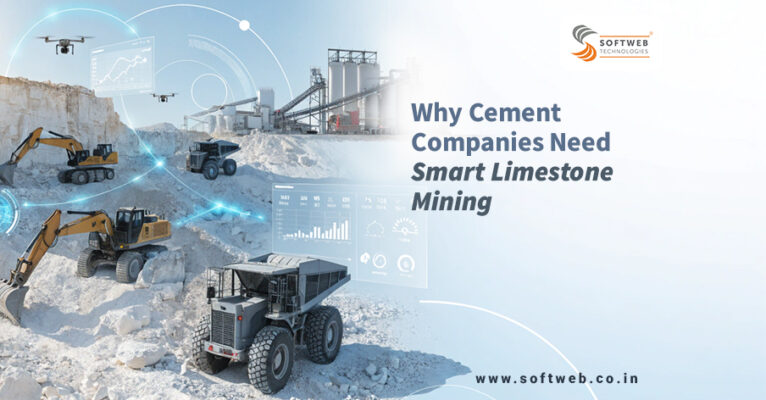
Why Cement Companies Need Smart Limestone Mining
Understand the nuances of Limestone Mining and How IoT, Fleet management and other Digital Mining [...]
May
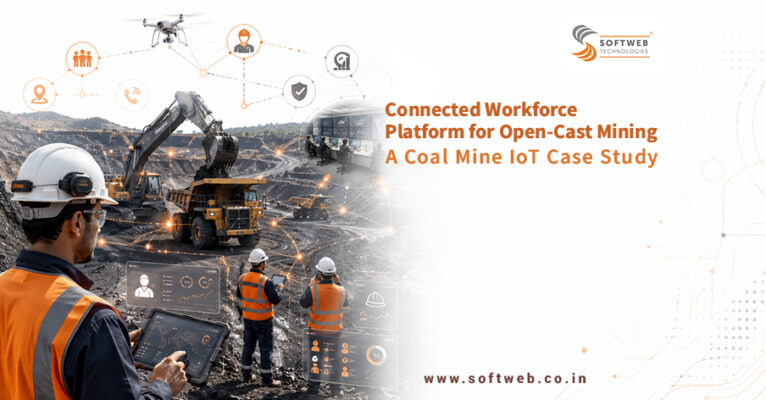
Connected Workforce Platform for Open-Cast Mining: A Coal Mine IoT Case Study
Discover how Softweb Technologies deployed a real-time connected workforce IoT platform for open-cast coal mining [...]
May
