
Mining Fleet Management (MFM) and mine fleet management software play a vital role in modern mining operations by ensuring that mobile assets—from haul trucks and loaders to drills and dozers—operate efficiently, safely, and in alignment with production goals. For Mine Developer and Operators (MDOs), effective fleet management is not just an operational necessity but also a part of the digital transformation of mining operations, offering a strategic advantage that can directly impact profitability and sustainability.
Mining fleets are dynamic, high-value assets operating in demanding environments. Managing them effectively requires a convergence of technologies—hardware, software, connectivity, and analytics—to deliver real-time control and insights across the operation.
Core Components of Mining Fleet Management
- Tracking and Monitoring
Mining fleet management begins with real-time tracking of equipment location, speed, payload, and cycle times. With the help of IoT in Fleet Management (GPS-enabled systems, onboard sensors feed data) operators gain real-time fleet analytics data into centralized dashboards, providing visibility across all operational areas.
Operator Independent Truck Despatch System allows allotment of a tipper to running excavators real-time reducing queuing or operational idle time.
- Production Optimization
By analyzing cycle times, payload metrics, and idle hours, mining operations can uncover bottlenecks and reallocate resources efficiently. Optimized material hauling not only boosts productivity but also improves consistency in ore blending and stockpile management.
Special attention is often given to haul roads, whose design and condition can drastically affect cycle time, fuel efficiency, and tire wear.
- Maintenance Scheduling
Preventive and predictive maintenance strategies reduce unplanned equipment downtime. By analyzing usage patterns, temperature trends, and vibration data, fleet management systems can schedule maintenance before a failure occurs, improving equipment availability and reducing repair costs.
- Safety Enhancement
Fleet management systems help enforce safety protocols by monitoring operator behavior—such as overspeeding, abrupt braking, or fatigue. Integration with fatigue monitoring systems and emergency alerts helps reduce accident rates and maintain compliance with regulatory standards.
- Cost Reduction
Fuel is a major cost component in mining. Fleet systems can track real-time fuel usage to detect anomalies, optimize routes, ensure ESG Compliance and minimize idling. Maintenance costs are also reduced by shifting from reactive to planned servicing, extending asset life and lowering spare parts inventory needs.
Technologies Powering Modern Fleet Management
Fleet Management Systems (FMS)
Mining Fleet Management comprises of integrated software solutions that consolidate data from multiple sources—including sensors, GPS units, and telematics devices—to deliver actionable insights. FMS platforms are central to coordinating fleet activities across large and complex sites.
Vehicle Tracking Systems (VTS)
These systems utilize GPS, RFID, or BLE technology to monitor the movement and utilization of mobile equipment. They help maintain transparency, improve dispatching, and provide evidence in case of disputes or incidents.
Telematics
Telematics systems transmit diagnostic data from mining vehicles to control centers, enabling remote performance monitoring. They support condition-based maintenance and improve fleet availability through early fault detection.
Artificial Intelligence (AI) and Machine Learning (ML)
AI and ML algorithms process vast volumes of operational data to identify patterns, predict breakdowns, optimize routes, and make autonomous decisions. For example, AI can forecast engine failure based on historical telemetry, allowing proactive intervention for proactive mining fleet management.
Automation
Robotic Process Automation (RPA) are now being deployed across mining sites to handle repetitive tasks. These systems reduce human error, increase consistency, and lower operational risk. Automation also helps mining operations function in hazardous or restricted zones.
Benefits of Mining Fleet Management
- Increased Productivity: Better asset utilization, optimized haul cycles, and minimized idle time.
- Reduced Operational Costs: Lower fuel usage, maintenance savings, and reduced wear-and-tear.
- Enhanced Safety: Monitoring driver behavior and enforcing real-time alerts.
- Improved Decision-Making: Access to real-time dashboards and predictive insights.
- Regulatory Compliance: Ensuring safety and environmental standards are met and documented.
Challenges in Implementation
Harsh Mining Environments
Mining vehicles operate under extreme conditions—dust, temperature fluctuations, vibrations, and abrasive terrain—which can affect equipment sensors and electronic systems.
Limited Connectivity
Remote mines often lack stable internet infrastructure. Without robust communication networks, real-time data transmission becomes unreliable. This is where private LTE and emerging 5G networks can make a significant impact.
5G enhances not just fleet coordination but also safety systems, communications, and environmental monitoring, marking a shift toward fully connected digital mines.
Integration Complexity
Many mining operations use legacy systems that may not communicate well with new digital platforms. Integrating telematics, FMS, ERP systems, and analytics tools requires careful planning and technical expertise.
Conclusion
Mining Fleet Management has evolved from simple vehicle tracking to a complex ecosystem that integrates connectivity, automation, analytics, and AI. For MDOs and mine owners, implementing an intelligent fleet management strategy means not only improving productivity and cost-efficiency but also meeting modern expectations for safety, sustainability, and digital transformation.
Softweb Technologies’ MiningPro helps mining organizations to embrace technologies like 5G networks, cloud computing, and predictive maintenance, , fleet management systems will be at the center of this operational revolution—powering smarter decisions and delivering measurable returns.
Also, TransMINEX, an integrated solution for mine & mineral transport surveillance (MTSS), especially designed for pit-to-port mineral movement monitoring. Identifying best routes for quick dispatch, with automated weighbridge automation, helps faster mineral movement with low pilferage.

How a Multi-Unit Tea Blender in Assam Eliminated Blend Traceability Gaps with PACE360 ERP
A leading tea blending company in Assam adopted PACE360 to unify procurement, blending, warehouse management, [...]
Jun

How a Packet Tea Manufacturer in West Bengal Scaled Distribution with PACE360 ERP
See how a leading yarn manufacturer moved beyond traditional procure-to-pay software to CVSS — Softweb’s [...]
Jun
The Future of Coal Supply Chain Management Through Automation & Innovation
See how a leading yarn manufacturer moved beyond traditional procure-to-pay software to CVSS — Softweb’s [...]
Jun
Beyond Procure-to-Pay: How a Leading Yarn Manufacturer Upgraded to CVSS and Cut Procurement Lead Time by 60%
See how a leading yarn manufacturer moved beyond traditional procure-to-pay software to CVSS — Softweb’s [...]
May
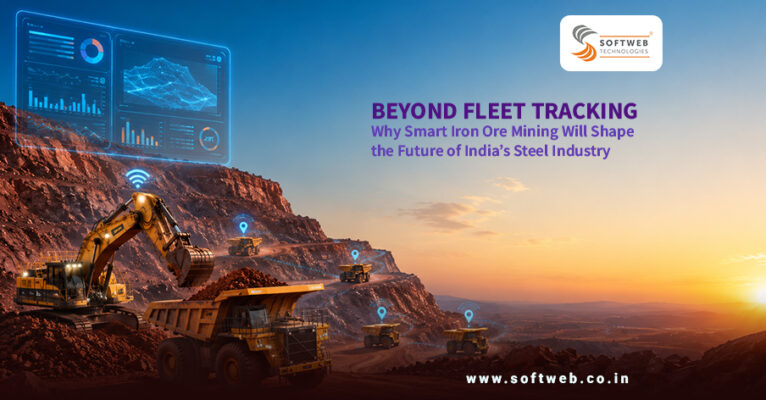
Beyond Fleet Tracking: Why Smart Iron Ore Mining Will Shape the Future of India’s Steel Industry
Discover how MiningPro by Softweb Technologies enables smarter, connected, and data-driven smart iron ore mining [...]
May

Blueeye in Kenya: Mara Coffee’s Digital Transformation Strategy for Multi-Farm Workforce Management
Mara Coffee, Kenya is transforming plantation workforce management through digital attendance tracking, productivity monitoring, payroll [...]
May
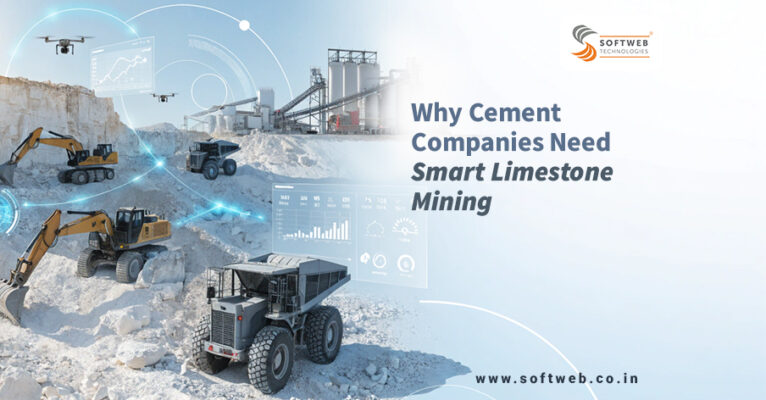
Why Cement Companies Need Smart Limestone Mining
Understand the nuances of Limestone Mining and How IoT, Fleet management and other Digital Mining [...]
May
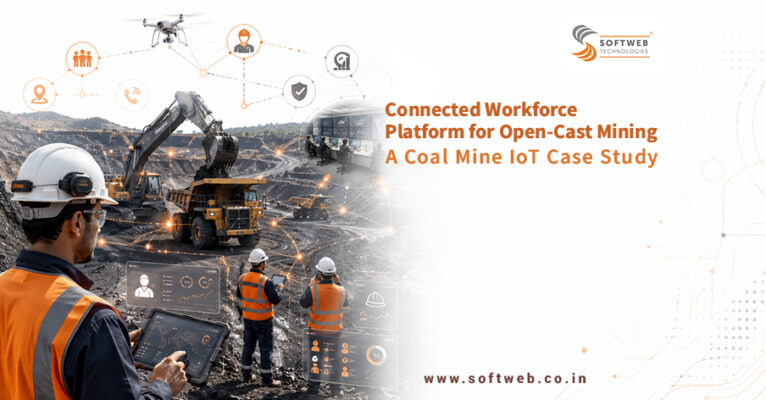
Connected Workforce Platform for Open-Cast Mining: A Coal Mine IoT Case Study
Discover how Softweb Technologies deployed a real-time connected workforce IoT platform for open-cast coal mining [...]
May
