
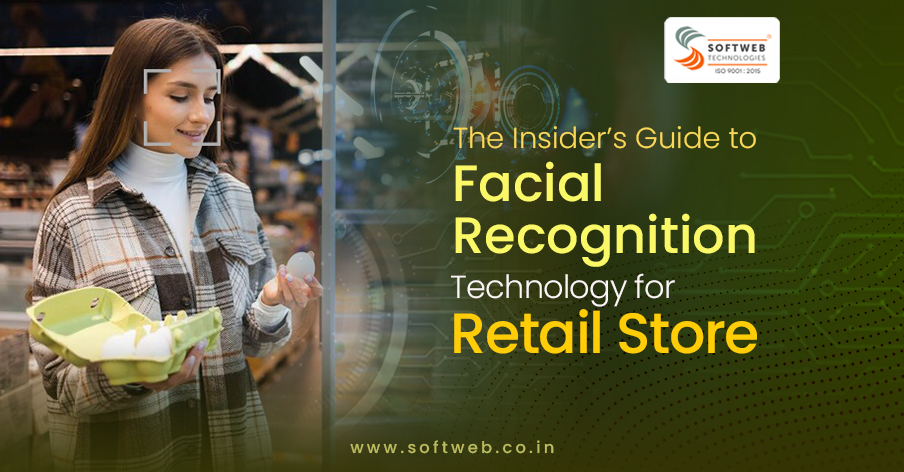
An online store knows which pages a shopper viewed, how long they stayed and what they left in the cart. A physical store, for most retailers, knows what the billing counter recorded and little else. CCTV cameras already watch the floor, but they mostly produce footage that someone reviews after an incident.
AI video analytics changes that. It turns the cameras a store already has into a source of data: how many people walked in, their broad age and gender mix, where they went and how long they stayed. Add opt-in recognition and a store can also welcome a loyalty member personally or mark staff attendance without a register.
This guide explains what the technology does in a store, how to choose a solution and how to deploy it so customers and staff trust it. It draws on our work building TORK for Retail, Softweb’s retail customer analytics solution.
Two layers: store analytics and opt-in recognition
- Store analytics covers patterns across all visitors: footfall, age and gender mix, dwell time, occupancy and heatmaps. These answer questions about the store, not about named people.
- Recognition matches a face to an enrolled profile, such as a loyalty or VIP member, an employee marking attendance or a staff member entering a restricted area. These answer questions about specific, enrolled people and should rest on their consent.
What AI video analytics can do for a retail store
Footfall, conversion and demographics
Automatic visitor counting replaces manual tallies and gives you the true denominator for conversion: invoices divided by footfall. An hourly view of age and gender mix helps you plan campaigns and assortment. This is the core of TORK’s footfall analysis and demographics. To turn the counts into decisions, see our guide to retail KPIs.
Dwell time and heatmaps
Dwell time shows how long visitors stay, and heatmaps show which zones attract them. A visitor who lingers and leaves empty-handed often wanted something they could not find. A zone nobody visits may point to a layout or signage problem. Heatmap and dwell-time analysis lets you test layout and promotion changes against evidence rather than instinct.
Recognising loyal customers, with consent
When an enrolled loyalty or VIP member walks in, staff can be alerted so they can offer personal service, suggest new arrivals that complement past purchases or open a faster billing counter. It matters because a minority of customers typically drive most of a store’s revenue, the familiar 80/20 rule of thumb.
Queues, staffing and store operations
Alerts can fire when a queue crosses a set threshold, so a floor manager can open another till. Occupancy by hour helps align the staff roster with real demand. We cover this in more detail in 5 ways to increase retail store productivity.
Access control and security
Alerts for unauthorised entry to stockrooms and back offices, and for suspicious activity, help reduce shrinkage. These work best with clear signage and written policies on who can view alerts and how they are handled.
Merchandise and layout decisions
Demographics, dwell time and loyal-customer visits all feed buying and layout decisions. The retail KPI guide shows how to connect them to metrics like conversion, GMROI and shrinkage.
How to choose retail facial recognition software
Start from the decisions you want to improve, not from the technology. The questions below separate solutions that look good in a demo from those that work in a store.
|
Criterion |
What to ask the vendor |
|
Clear objective |
Which decisions will the data change? Counting footfall by demographics and measuring dwell time need different setups. |
|
Fit with your cameras |
Does it run on standard IP cameras, or does it need special hardware? Installation and maintenance cost depends on this. |
|
A dashboard managers can read |
Can a store manager interpret it without an analyst? Complex algorithms should stay in the background. |
|
Integration |
Can it connect with your billing or POS, loyalty and HR or payroll systems, or does it need a full system overhaul? |
|
Extra uses |
Can the same deployment support staff attendance or access control? |
|
Privacy controls |
How are consent, retention, access and deletion handled? Where is data stored? |
|
Total cost |
What are the installation, licensing and support costs per camera or store? |
A single-store pilot with two or three agreed outcomes is usually the lowest-risk way to compare options.
Deploying it responsibly
- Put clear signage at entrances explaining that video analytics is in use.
- Enrol loyalty members and employees only with their consent; keep everyone else in aggregate analytics.
- Collect only what each use case needs and set a retention period.
- Limit who can see data and keep an access log.
Getting started in three steps
- Understand the scope. Map your store processes and identify the key areas and questions.
- Implement. Configure cameras and dashboards and connect existing systems.
- Review results. Track the KPIs you chose and expand to more stores.
Where TORK for Retail fits
FAQs
What is facial recognition technology in retail?
A computer-vision system, typically on standard IP cameras, that analyses footfall, demographics, dwell time, and repeat visits to give retailers real-time customer insight instead of raw CCTV footage.
How is retail conversion rate calculated?
Conversion rate = (Total Invoices ÷ Total Footfall) × 100.
What KPIs should retailers track with facial recognition?
Conversion rate, footfall traffic, loyal-customer visits, GMROI, and shrinkage — covering sales, customer, and inventory performance.
Can computer vision support sustainable retail?
Yes — by identifying fabric and material types for recycling and sorting, verifying sustainable material claims, and reducing overproduction through more accurate, data-backed inventory planning.

Pingback: Retail KPIs Every Retailer Should Track, from the Store Floor to Omnichannel - Digital Transformation beyond ERP | Automation | Softweb